
Decoding Artificial Intelligence: Architecture, Servers, and Connectivity

Artificial Intelligence (AI) has rapidly transformed from a niche academic field into the digital backbone of modern society. Behind the conversational interfaces, automated recommendations, and complex analytical systems lies a vast ecosystem of software, hardware, and global networking.

Understanding how AI functions requires looking past the screen to examine how it works fundamentally, where its servers are physically located, how they integrate with data centers, and how client applications communicate seamlessly with large language models (LLMs).

Continue reading “Decoding Artificial Intelligence: Architecture, Servers, and Connectivity”


Decoding the Divide: Free Software vs. Open Source Software

In the modern technology landscape, terms like “open source” and “free software” are frequently used interchangeably to describe software whose source code is publicly accessible and modifiable. Because many programs satisfy the technical criteria of both definitions, people often assume the terms are synonymous. However, looking deeper into the origins and underlying philosophies reveals a profound distinction. As a popular summary describes it, “Open source is a development methodology; free software is a social movement.”

Continue reading “Decoding the Divide: Free Software vs. Open Source Software”

The Evolution, Core Architecture, and Future of the UNIX Operating System

The UNIX operating system stands as one of the most significant technological achievements in computer science history. Conceived in the late 1960s, UNIX pioneered concepts of modularity, multi-tasking, multi-user access, and a unified hierarchical file system. Its design philosophy—where “small is beautiful” and programs are built to do one thing well—continues to shape the landscape of modern digital infrastructure.

Continue reading “The Evolution, Core Architecture, and Future of the UNIX Operating System”

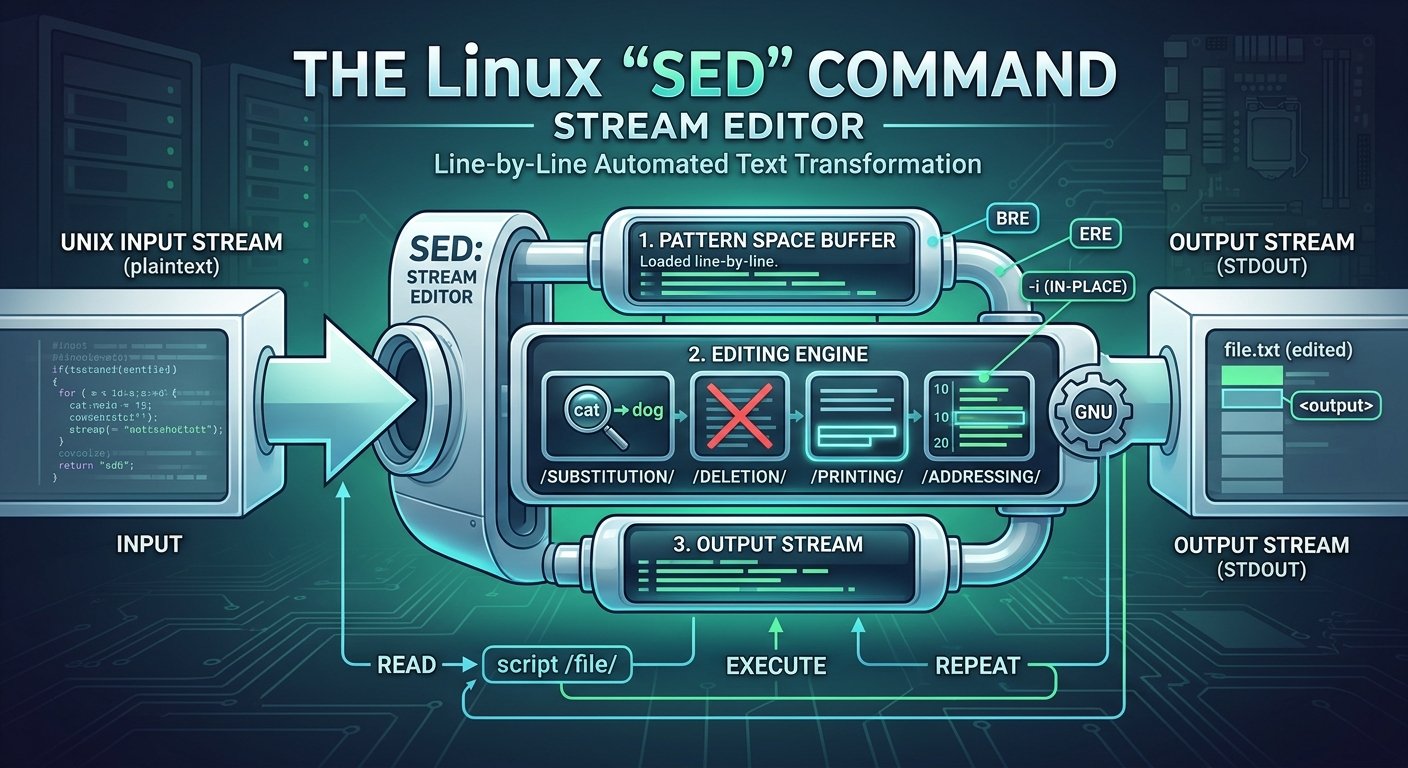
Introduction to the Linux sed Command

The sed command, short for stream editor, is one of the most powerful and versatile text-processing utilities available in Unix and Linux environments. First developed by Lee E. McMahon at Bell Labs in 1974, sed was designed to implement features inspired by the interactive text editor ed and the grep pattern-searcher, but optimized for automated, non-interactive text manipulation.

Unlike traditional text editors where you open a file in a graphical or terminal interface and manually make changes, sed operates by reading an input stream (either from a file or standard input), applying a series of user-defined rules and filters to each line, and sending the modified output to standard output. This unique capability makes it an indispensable tool for shell scripts, system administration, log analysis, and batch text processing.

Continue reading “Introduction to the Linux sed Command”

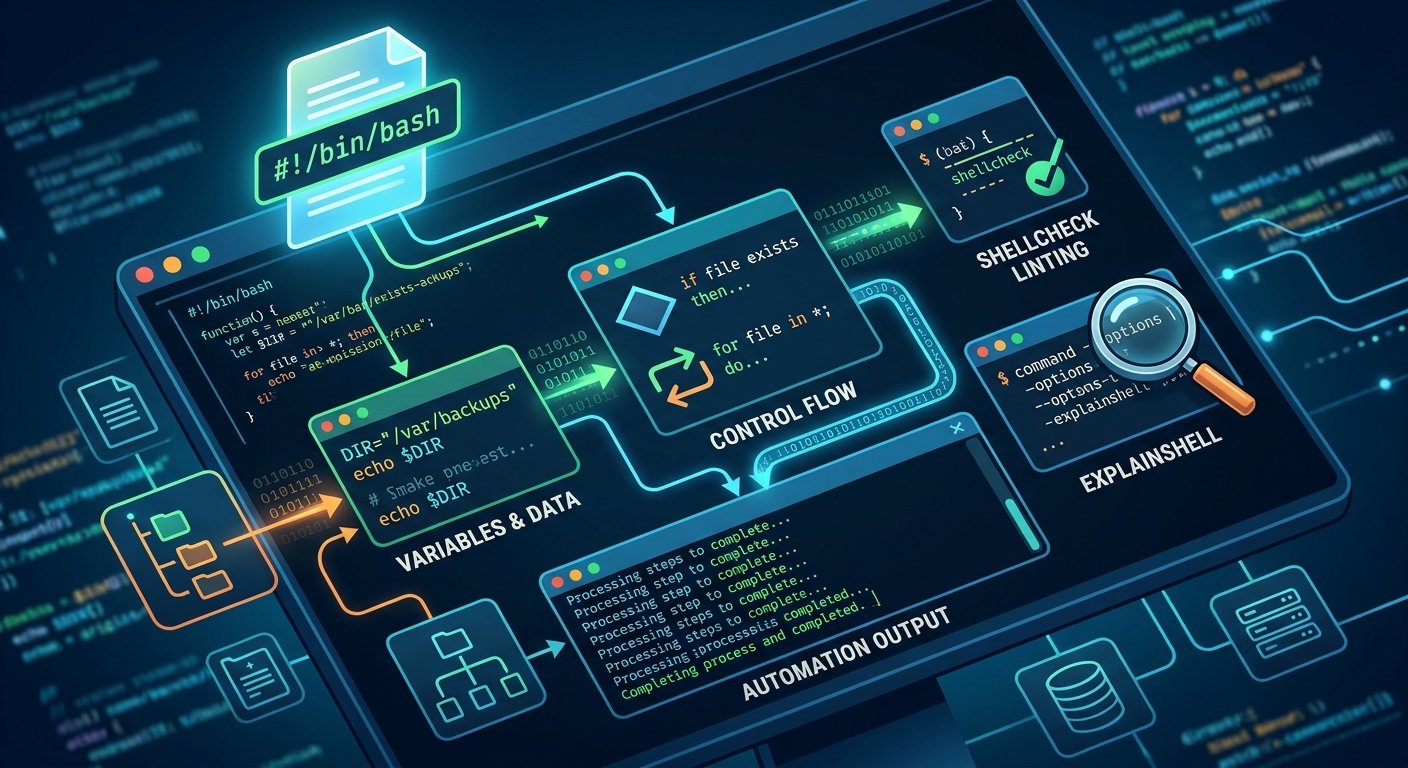
Automating the Command Line: The Essentials of Shell Scripting

Shell scripting is an indispensable skill for anyone working in software development, DevOps, or system administration. At its core, a shell script is a text file containing a sequence of commands executed by a command-line interpreter—such as Bash or Zsh—to automate repetitive tasks, manage system files, and orchestrate complex workflows. For a comprehensive overview of how command-line environments fit into the broader Unix philosophy, you can explore Linux Journey.

Continue reading “Automating the Command Line: The Essentials of Shell Scripting”