The Linux operating system powers everything from cloud infrastructure and supercomputers to embedded devices and personal desktops. Because of its modular nature, troubleshooting issues or deepening one’s understanding often requires consulting structured community knowledge. Among the vast ecosystem of documentation, forums, and technical communities, Linux.org stands out as an exceptional resource for newcomers and experienced system administrators alike. Combining structured educational articles with an active community discussion board, the platform offers an accessible environment for technical inquiry, research, and collaborative problem-solving.
Continue reading “One of the Best Linux Forums on the Web. A Very Excellent Resource and Technical Guide. Linux.org”Comprehensive Reference Guide to Self-Taught Programming Resources
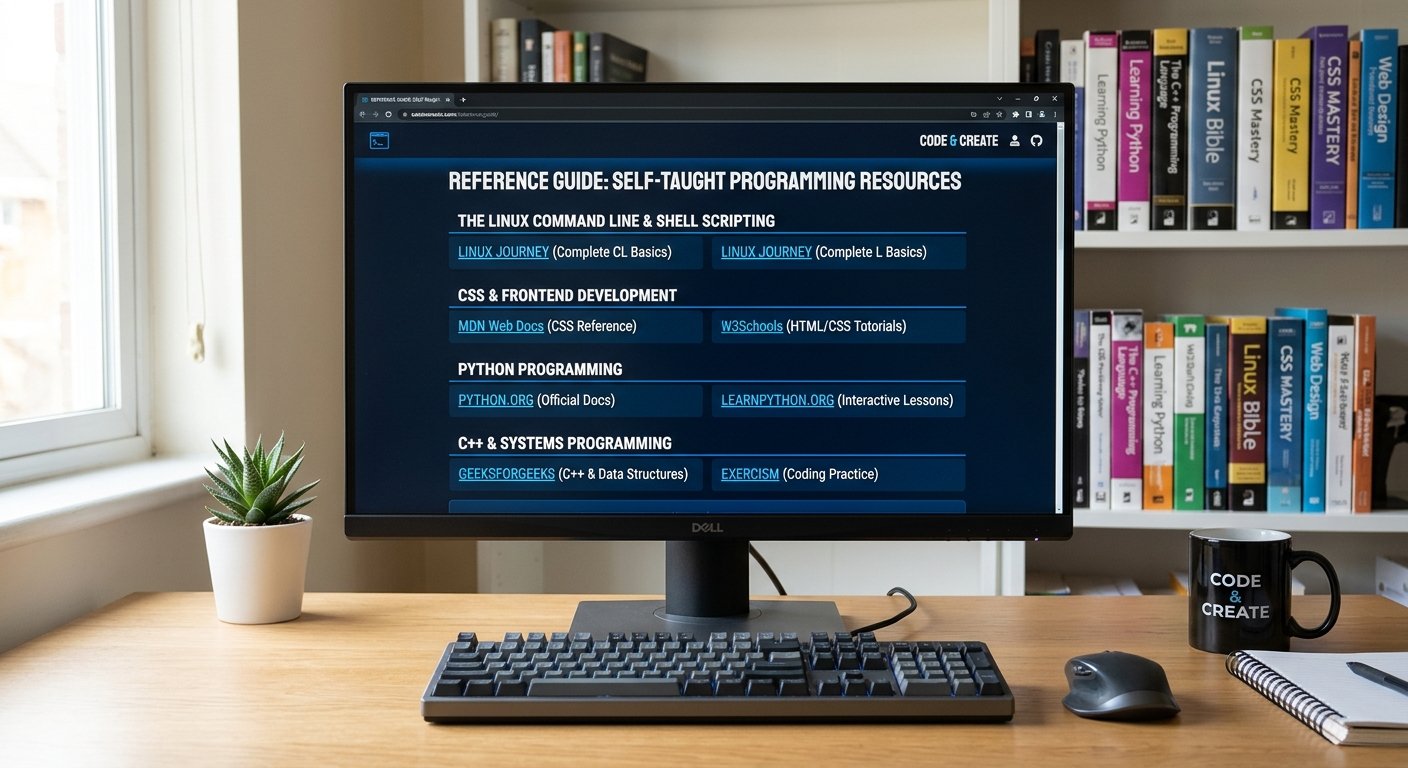
Teaching yourself how to code is an empowering endeavor. Whether you are aiming to master systems engineering, scripting environments like the Linux command line, frontend web design, or heavy-duty compiled languages like C++, the internet provides an incredible array of open-source and interactive curricula.
This reference listing outlines curated, high-value websites categorized by their strengths in teaching specific languages, environments, and core fundamentals.
Continue reading “Comprehensive Reference Guide to Self-Taught Programming Resources”Decoding Artificial Intelligence: Architecture, Servers, and Connectivity
Artificial Intelligence (AI) has rapidly transformed from a niche academic field into the digital backbone of modern society. Behind the conversational interfaces, automated recommendations, and complex analytical systems lies a vast ecosystem of software, hardware, and global networking.
Understanding how AI functions requires looking past the screen to examine how it works fundamentally, where its servers are physically located, how they integrate with data centers, and how client applications communicate seamlessly with large language models (LLMs).
Continue reading “Decoding Artificial Intelligence: Architecture, Servers, and Connectivity”Automating the Command Line: The Essentials of Shell Scripting
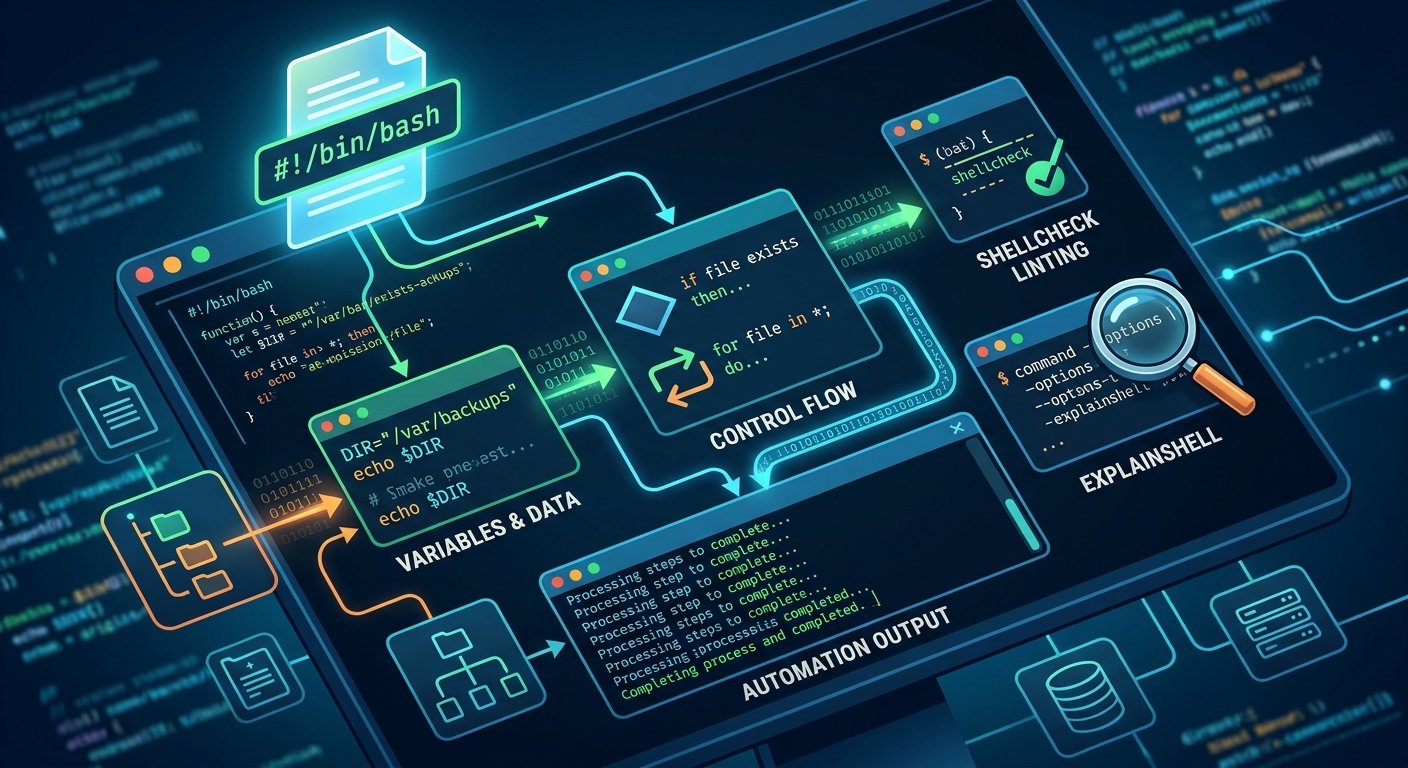
Shell scripting is an indispensable skill for anyone working in software development, DevOps, or system administration. At its core, a shell script is a text file containing a sequence of commands executed by a command-line interpreter—such as Bash or Zsh—to automate repetitive tasks, manage system files, and orchestrate complex workflows. For a comprehensive overview of how command-line environments fit into the broader Unix philosophy, you can explore Linux Journey.
Continue reading “Automating the Command Line: The Essentials of Shell Scripting”The Bourne Again Shell (Bash): The Engine of Linux Productivity
The command line is often described as the beating heart of the Unix and Linux operating systems. At the center of this interactive universe sits the Bourne Again Shell, universally known as Bash. Developed as a free software replacement for the original Bourne shell (sh), Bash has served as the default command interpreter for the vast majority of Linux distributions for decades. Its enduring dominance stems from a unique balance of rigorous POSIX compliance, powerful scripting constructs, and an intuitive interactive environment that empowers users ranging from casual hobbyists to seasoned systems administrators.