Mastering File Security: A Guide to the Linux chmod Command
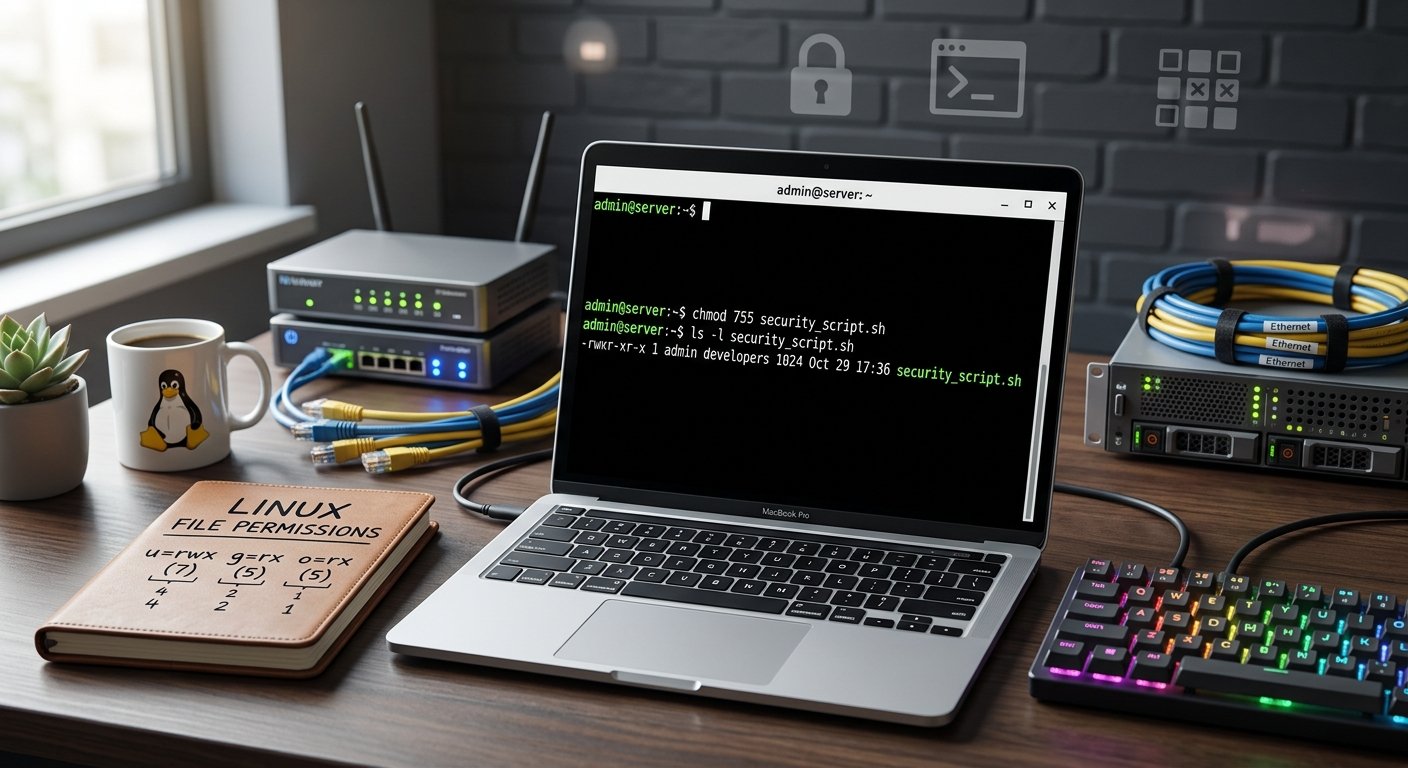
In the landscape of Unix and Linux operating systems, security and multi-user access control are foundational. Every file and directory is bound to a specific owner and group, governed by strict access permissions. Managing these access rights is essential for maintaining system integrity and safeguarding sensitive data. At the heart of this privilege management system lies the chmod command, short for “change mode”. Whether you are a system administrator locking down a server or a developer making a shell script executable, understanding how to use chmod is a vital skill.

Continue reading “Mastering File Security: A Guide to the Linux chmod Command”

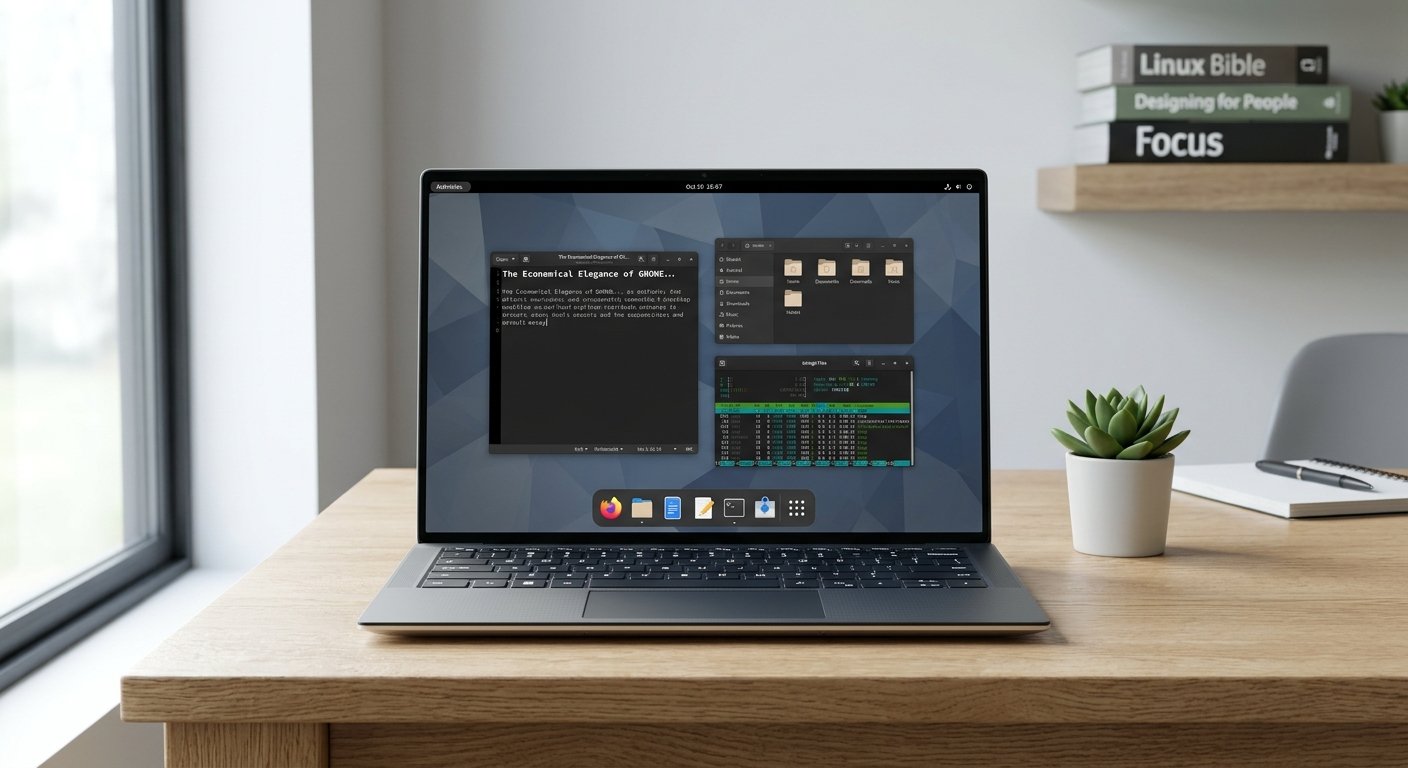
The Economical Elegance of GNOME: Why the Default Linux Desktop Wins

Choosing a graphical user interface (GUI) in the Linux ecosystem can often feel overwhelming, given the sheer variety of window managers and desktop environments available. However, among all options, the GNOME Desktop Environment stands out as the premier choice for modern computing. Far from being just another interface, GNOME represents a cohesive design philosophy centered around human efficiency, cognitive clarity, and ruthless minimalism.

Continue reading “The Economical Elegance of GNOME: Why the Default Linux Desktop Wins”

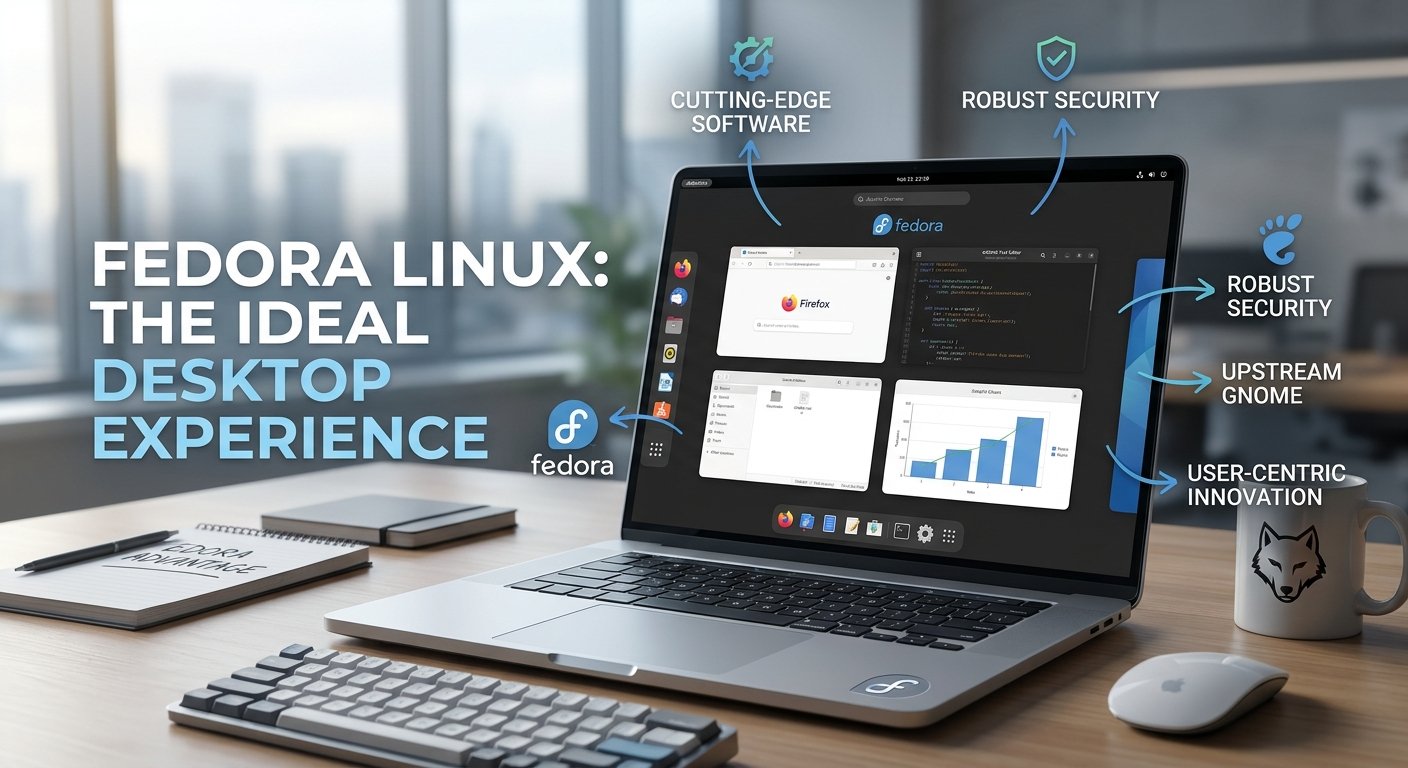
The Case for Fedora Linux: Why It Should Be the Default Desktop Choice

In an era where personal computing is increasingly dictated by proprietary telemetry, forced software subscriptions, and heavy resource bloat, the search for a reliable, empowering desktop environment has never been more urgent. While operating systems like Microsoft Windows and Apple macOS dominate market share, they often do so at the expense of user privacy, system customizability, and computational efficiency.

Enter Fedora Linux. Sponsored by Red Hat and driven by a passionate global community, Fedora represents the gold standard of modern desktop computing. It bridges the gap between cutting-edge innovation and rock-solid reliability, making it an exceptional daily-driver operating system that more users should adopt for their desktop experience.

Continue reading “The Case for Fedora Linux: Why It Should Be the Default Desktop Choice”

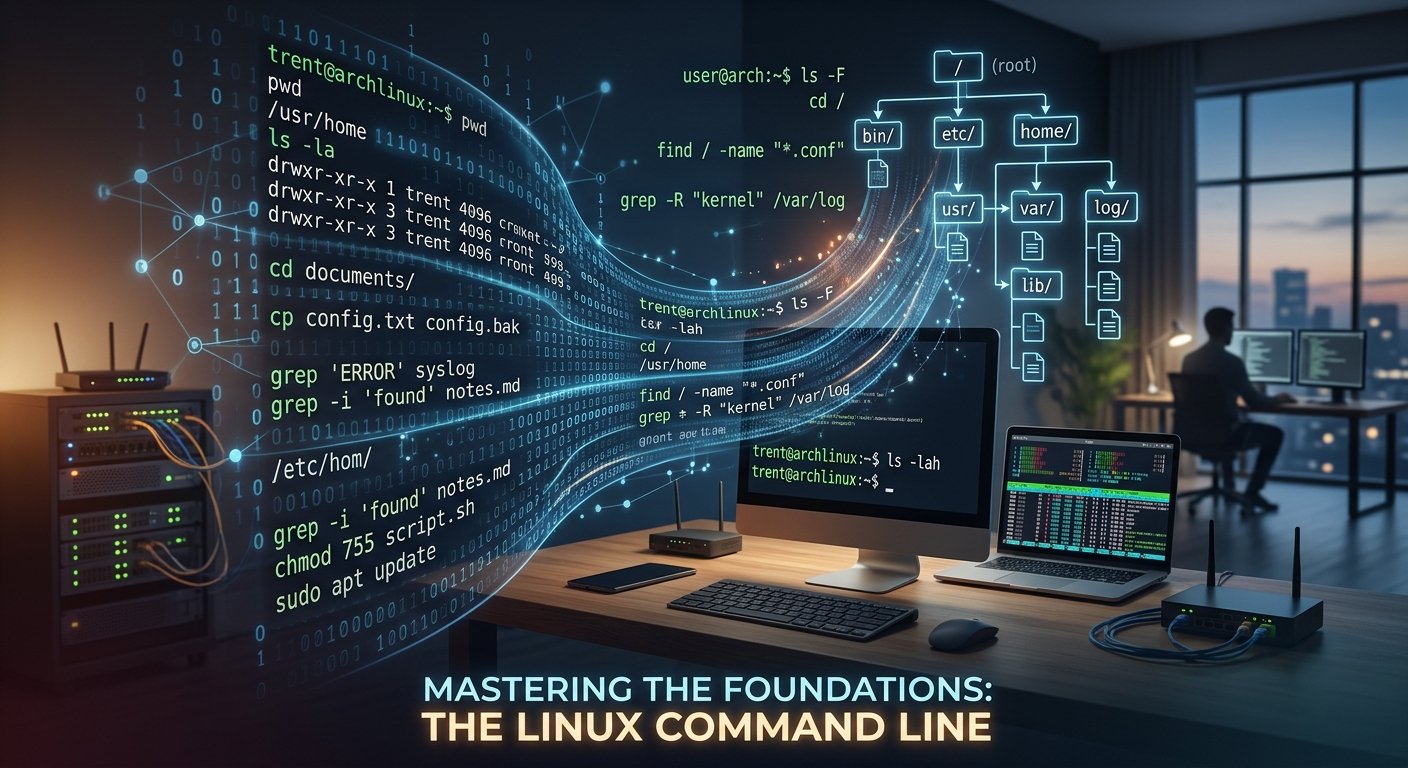
Mastering the Foundations: An Introduction to the Linux Command Line

For many users, computers are defined by graphical user interfaces—desktops populated by windows, icons, menus, and pointers. However, beneath this polished exterior lies a powerful, highly efficient engine traditionally controlled through text: the command line interface (CLI). In the realm of Unix-like operating systems, particularly Linux, the command line is not merely an alternative way to interact with the system; it is often the most direct, flexible, and powerful tool available. Understanding the basic Linux command line unlocks a deeper comprehension of how operating systems function, empowering developers, system administrators, and power users alike.

Continue reading “Mastering the Foundations: An Introduction to the Linux Command Line”