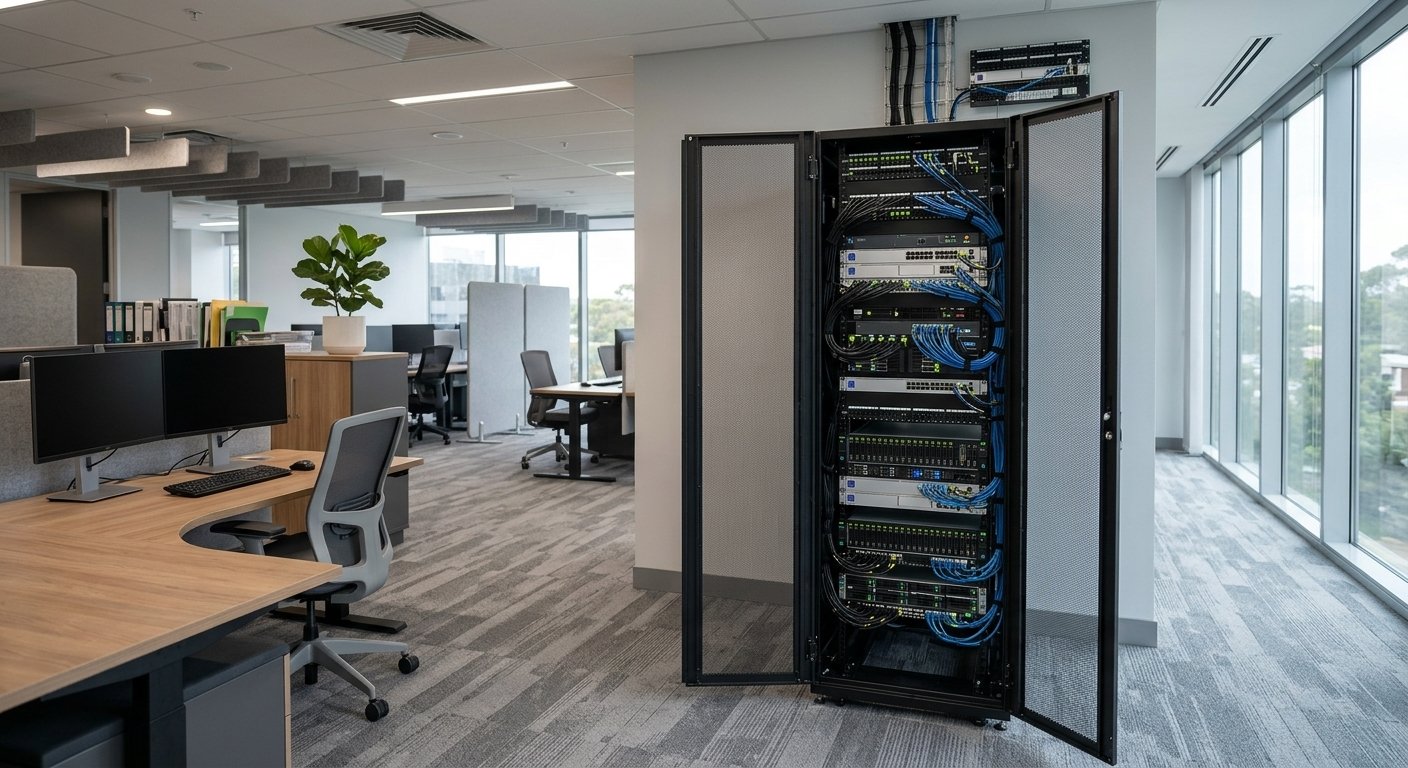

The Foundation of Styling: Understanding CSS and Efficiency in Web Design

In the early days of the World Wide Web, HyperText Markup Language (HTML) handled both the structure and the visual presentation of a webpage. As websites grew in complexity, this approach became cumbersome and difficult to maintain. The introduction of Cascading Style Sheets (CSS) revolutionized web design by establishing a strict separation of concerns: HTML dictates the structural skeleton of a document, while CSS controls its aesthetic presentation—including colors, typography, spacing, and responsive layouts.

Understanding the fundamentals of CSS and how it integrates with HTML is essential for anyone building modern, maintainable web pages. By leveraging external style sheets, developers can drastically minimize redundant work and ensure consistency across entire sites.

Continue reading “The Foundation of Styling: Understanding CSS and Efficiency in Web Design”

The Desk-Side Command Center: Evaluating the BarCharts QuickStudy Linux Laminated Guide

In the realm of system administration and software development, context switching remains one of the greatest taxations on productivity. When working deep inside the Linux terminal, stopping to search through lengthy manual pages (man) or browsing online documentation breaks a practitioner’s focus. While comprehensive reference manuals and digital cheat sheets exist, there is a distinct utility in having an immediate, physical quick-reference tool.

The BarCharts Publishing QuickStudy Linux Laminated Guide stands out as a remarkably practical bridge between introductory learning and daily desktop workflow. Designed in a compact, multi-panel foldout format, this laminated reference sheet condenses a vast array of essential command-line operations, file system structures, and system administration essentials into a high-density, accessible layout.

Continue reading “The Desk-Side Command Center: Evaluating the BarCharts QuickStudy Linux Laminated Guide”

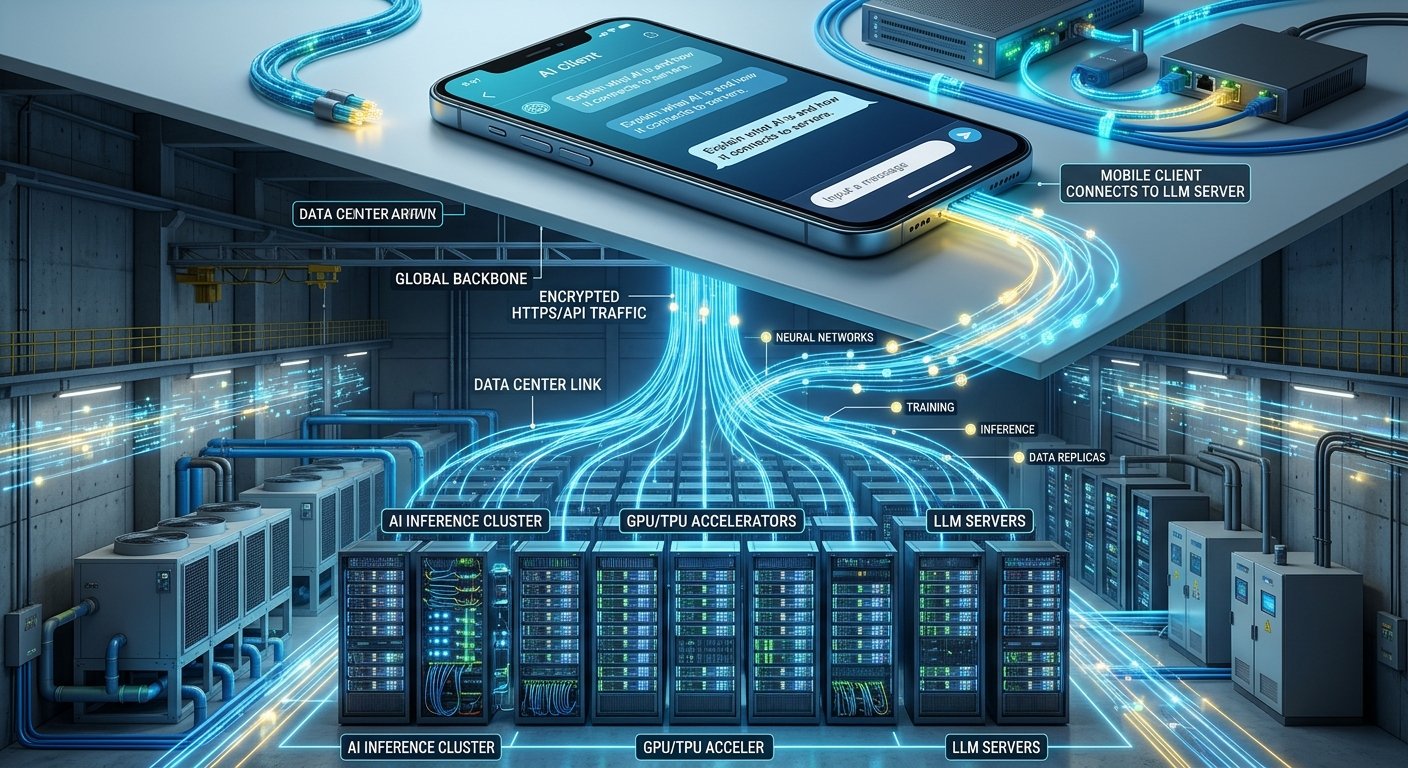
Decoding Artificial Intelligence: Architecture, Servers, and Connectivity

Artificial Intelligence (AI) has rapidly transformed from a niche academic field into the digital backbone of modern society. Behind the conversational interfaces, automated recommendations, and complex analytical systems lies a vast ecosystem of software, hardware, and global networking.

Understanding how AI functions requires looking past the screen to examine how it works fundamentally, where its servers are physically located, how they integrate with data centers, and how client applications communicate seamlessly with large language models (LLMs).

Continue reading “Decoding Artificial Intelligence: Architecture, Servers, and Connectivity”

The Evolution, Core Architecture, and Future of the UNIX Operating System

The UNIX operating system stands as one of the most significant technological achievements in computer science history. Conceived in the late 1960s, UNIX pioneered concepts of modularity, multi-tasking, multi-user access, and a unified hierarchical file system. Its design philosophy—where “small is beautiful” and programs are built to do one thing well—continues to shape the landscape of modern digital infrastructure.

Continue reading “The Evolution, Core Architecture, and Future of the UNIX Operating System”

Demystifying Computer Networking: Protocols, Addressing, and Subnets

At its core, computer networking is the invisible infrastructure that allows billions of devices worldwide to communicate, share data, and access information. Whether you are loading a webpage, sending an instant message, or streaming a video, a complex suite of rules and mathematical structures works behind the scenes to deliver data accurately.

To understand how this digital ecosystem functions, we need to examine the foundational layers of networking: how data is transmitted using TCP/IP, why IPv4 addresses are structured the way they are, and how netmasks and network classes organize global traffic.

Continue reading “Demystifying Computer Networking: Protocols, Addressing, and Subnets”