The Linux operating system powers everything from cloud infrastructure and supercomputers to embedded devices and personal desktops. Because of its modular nature, troubleshooting issues or deepening one’s understanding often requires consulting structured community knowledge. Among the vast ecosystem of documentation, forums, and technical communities, Linux.org stands out as an exceptional resource for newcomers and experienced system administrators alike. Combining structured educational articles with an active community discussion board, the platform offers an accessible environment for technical inquiry, research, and collaborative problem-solving.
Continue reading “One of the Best Linux Forums on the Web. A Very Excellent Resource and Technical Guide. Linux.org”The Desk-Side Command Center: Evaluating the BarCharts QuickStudy Linux Laminated Guide
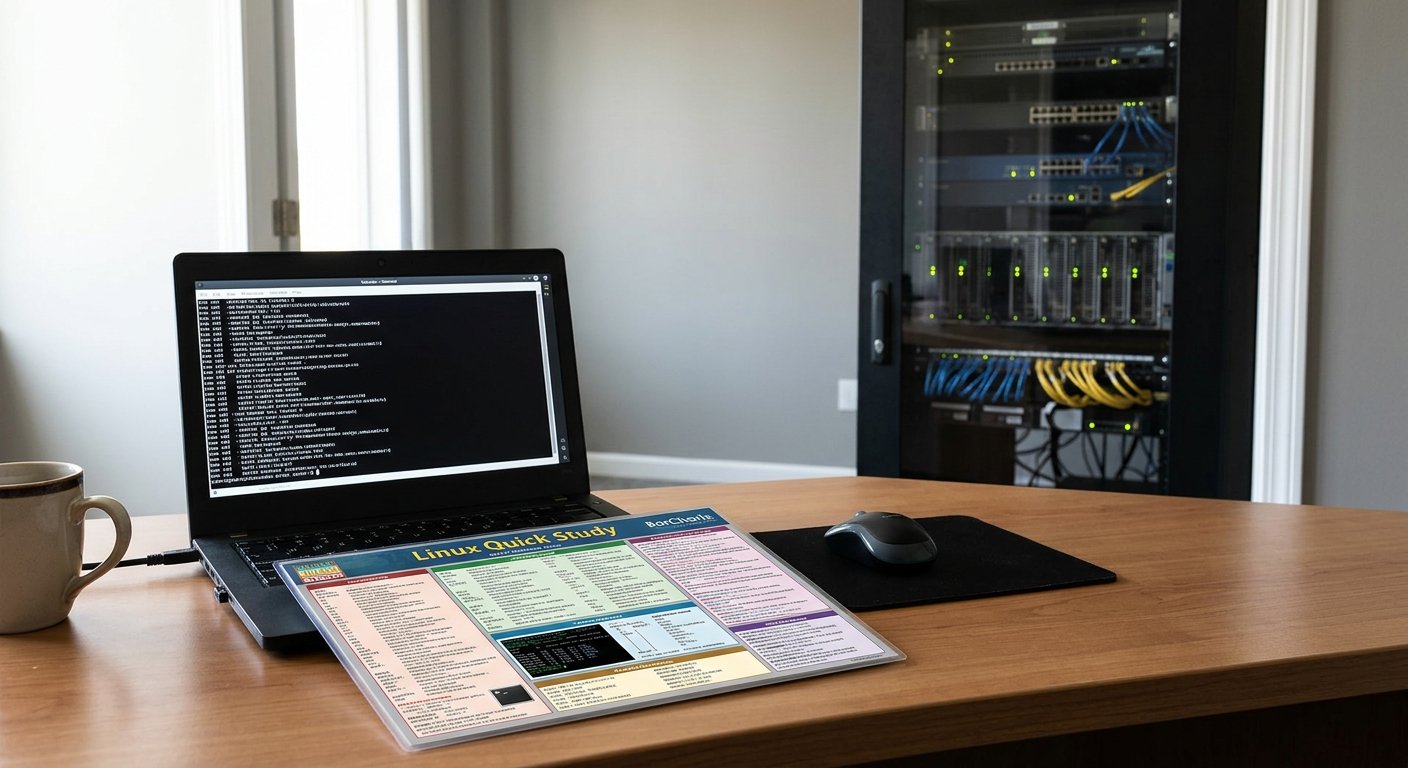
In the realm of system administration and software development, context switching remains one of the greatest taxations on productivity. When working deep inside the Linux terminal, stopping to search through lengthy manual pages (man) or browsing online documentation breaks a practitioner’s focus. While comprehensive reference manuals and digital cheat sheets exist, there is a distinct utility in having an immediate, physical quick-reference tool.
The BarCharts Publishing QuickStudy Linux Laminated Guide stands out as a remarkably practical bridge between introductory learning and daily desktop workflow. Designed in a compact, multi-panel foldout format, this laminated reference sheet condenses a vast array of essential command-line operations, file system structures, and system administration essentials into a high-density, accessible layout.
Continue reading “The Desk-Side Command Center: Evaluating the BarCharts QuickStudy Linux Laminated Guide”Decoding Artificial Intelligence: Architecture, Servers, and Connectivity
Artificial Intelligence (AI) has rapidly transformed from a niche academic field into the digital backbone of modern society. Behind the conversational interfaces, automated recommendations, and complex analytical systems lies a vast ecosystem of software, hardware, and global networking.
Understanding how AI functions requires looking past the screen to examine how it works fundamentally, where its servers are physically located, how they integrate with data centers, and how client applications communicate seamlessly with large language models (LLMs).
Continue reading “Decoding Artificial Intelligence: Architecture, Servers, and Connectivity”Installing Fedora Linux on a Desktop Computer: A Step-by-Step Guide
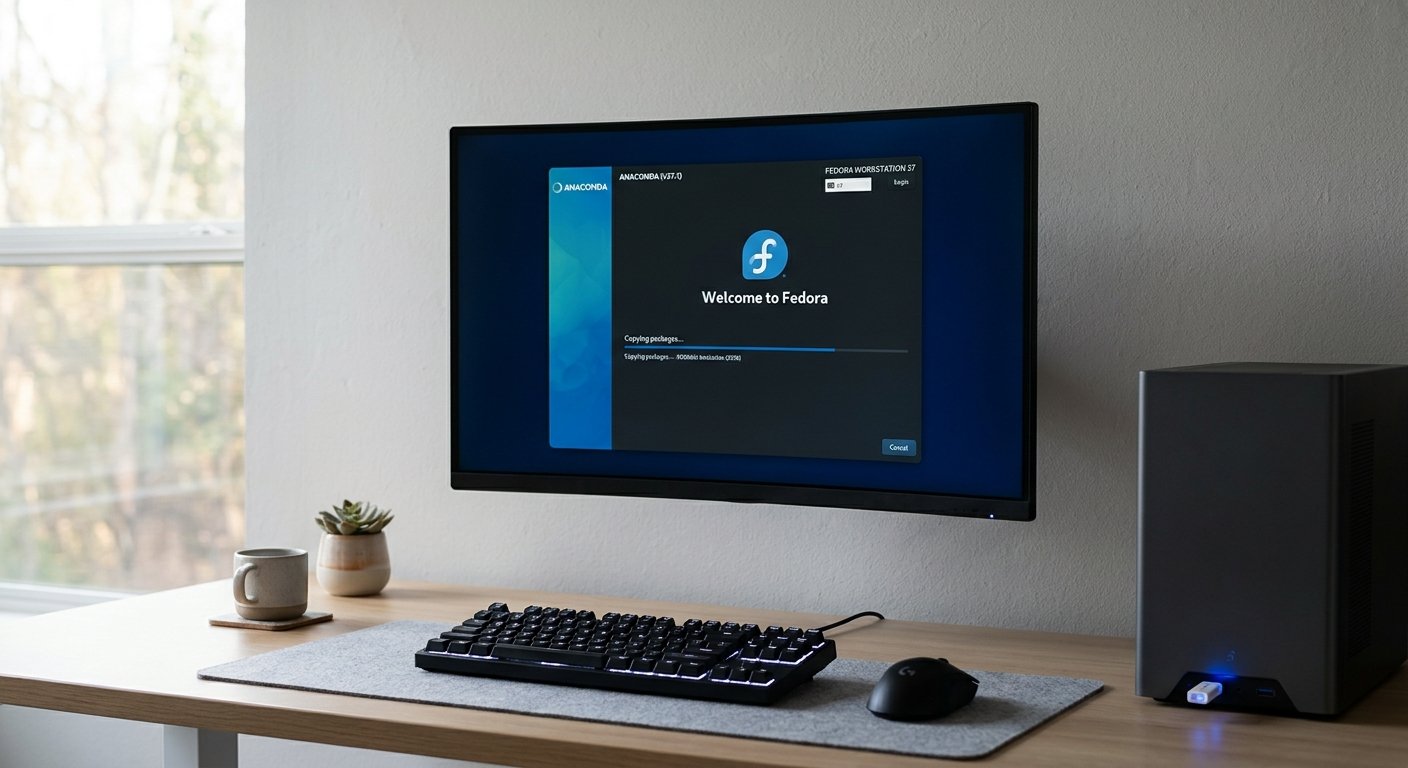
Installing a Linux distribution on a desktop computer can seem daunting to beginners, but open-source platforms have evolved to become remarkably user-friendly. Among the vast ecosystem of Linux distributions, Fedora Linux stands out as a powerful, secure, and cutting-edge operating system sponsored heavily by Red Hat. Whether you are switching away from proprietary systems or building a brand-new desktop rig, installing Fedora Workstation is a straightforward process. For official downloads, you can always visit the Fedora Project Website.
Continue reading “Installing Fedora Linux on a Desktop Computer: A Step-by-Step Guide”Demystifying Computer Networking: Protocols, Addressing, and Subnets
At its core, computer networking is the invisible infrastructure that allows billions of devices worldwide to communicate, share data, and access information. Whether you are loading a webpage, sending an instant message, or streaming a video, a complex suite of rules and mathematical structures works behind the scenes to deliver data accurately.
To understand how this digital ecosystem functions, we need to examine the foundational layers of networking: how data is transmitted using TCP/IP, why IPv4 addresses are structured the way they are, and how netmasks and network classes organize global traffic.
Continue reading “Demystifying Computer Networking: Protocols, Addressing, and Subnets”