The Evolution, Core Architecture, and Future of the UNIX Operating System

The UNIX operating system stands as one of the most significant technological achievements in computer science history. Conceived in the late 1960s, UNIX pioneered concepts of modularity, multi-tasking, multi-user access, and a unified hierarchical file system. Its design philosophy—where “small is beautiful” and programs are built to do one thing well—continues to shape the landscape of modern digital infrastructure.

Continue reading “The Evolution, Core Architecture, and Future of the UNIX Operating System”

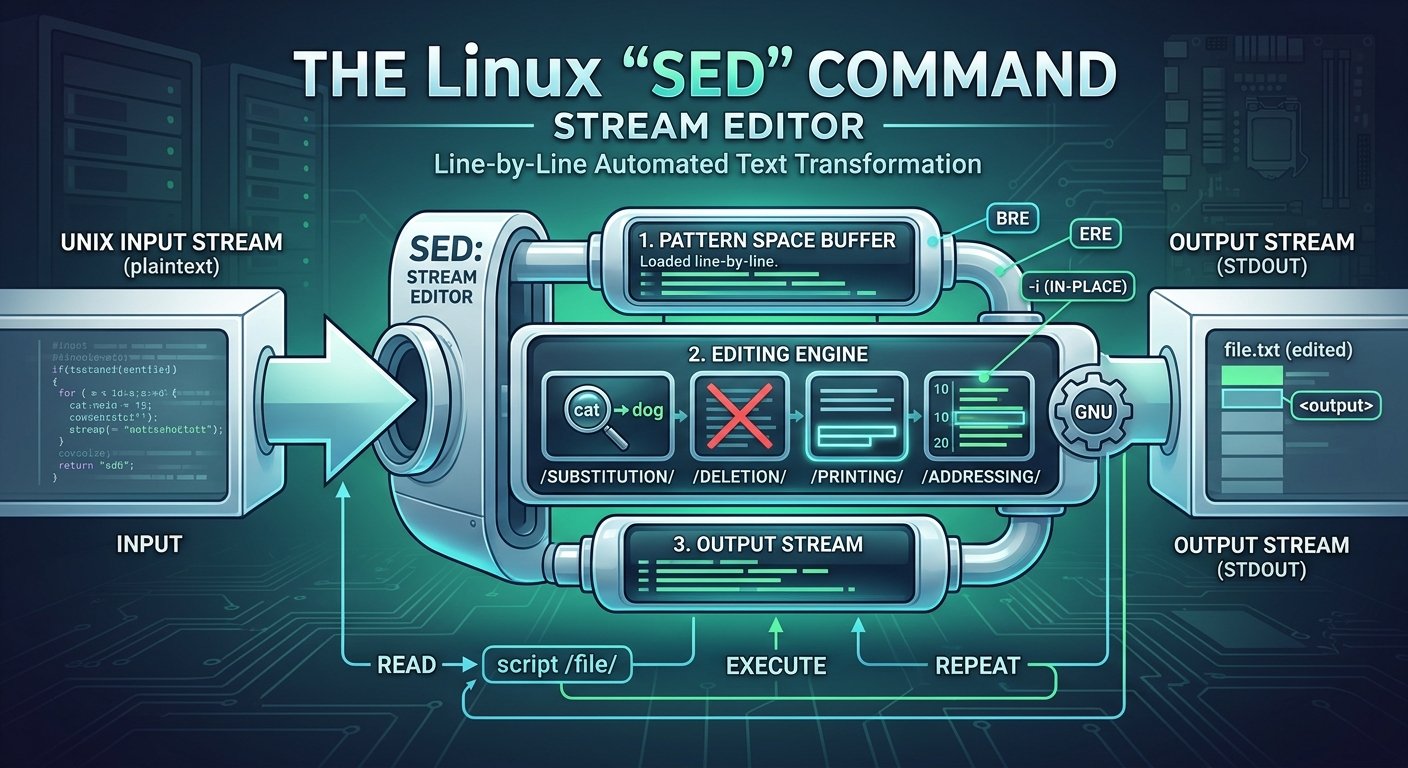
Introduction to the Linux sed Command

The sed command, short for stream editor, is one of the most powerful and versatile text-processing utilities available in Unix and Linux environments. First developed by Lee E. McMahon at Bell Labs in 1974, sed was designed to implement features inspired by the interactive text editor ed and the grep pattern-searcher, but optimized for automated, non-interactive text manipulation.

Unlike traditional text editors where you open a file in a graphical or terminal interface and manually make changes, sed operates by reading an input stream (either from a file or standard input), applying a series of user-defined rules and filters to each line, and sending the modified output to standard output. This unique capability makes it an indispensable tool for shell scripts, system administration, log analysis, and batch text processing.

Continue reading “Introduction to the Linux sed Command”

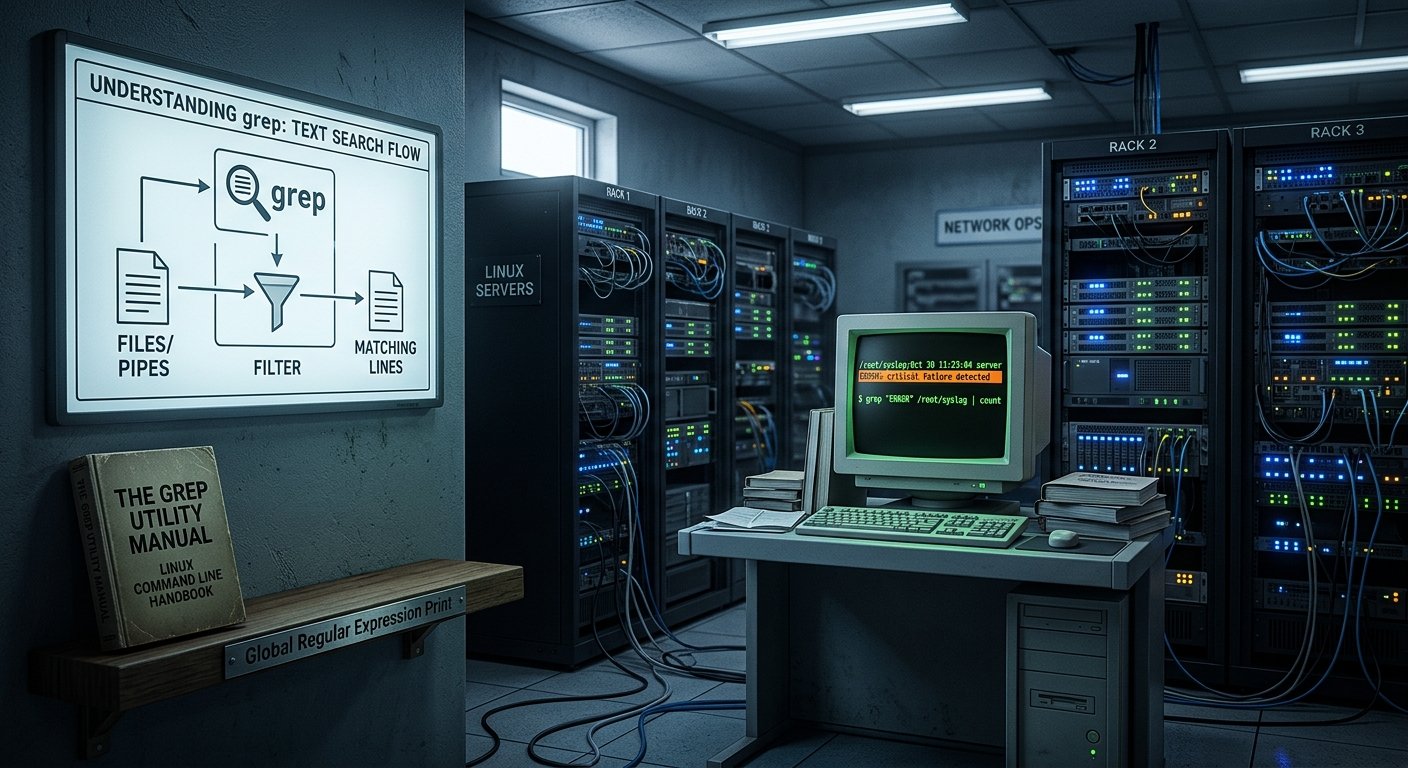
Mastering grep: The Ultimate Text-Searching Tool in Linux

In the vast and powerful ecosystem of the Linux command line, few utilities are as universally revered, relied upon, and endlessly versatile as grep. Standing for “Global Regular Expression Print”, grep is a foundational command-line tool used for searching plain-text data sets for lines that match a specific regular expression or pattern. Whether you are a system administrator troubleshooting server logs, a developer searching through a massive codebase, or a casual user filtering text output, grep is an indispensable superpower.

To explore the formal specifications, flags, and underlying philosophy of this tool, you can check out the official GNU Grep Manual.

Continue reading “Mastering grep: The Ultimate Text-Searching Tool in Linux”

The Bourne Again Shell (Bash): The Engine of Linux Productivity

The command line is often described as the beating heart of the Unix and Linux operating systems. At the center of this interactive universe sits the Bourne Again Shell, universally known as Bash. Developed as a free software replacement for the original Bourne shell (sh), Bash has served as the default command interpreter for the vast majority of Linux distributions for decades. Its enduring dominance stems from a unique balance of rigorous POSIX compliance, powerful scripting constructs, and an intuitive interactive environment that empowers users ranging from casual hobbyists to seasoned systems administrators.

Continue reading “The Bourne Again Shell (Bash): The Engine of Linux Productivity”

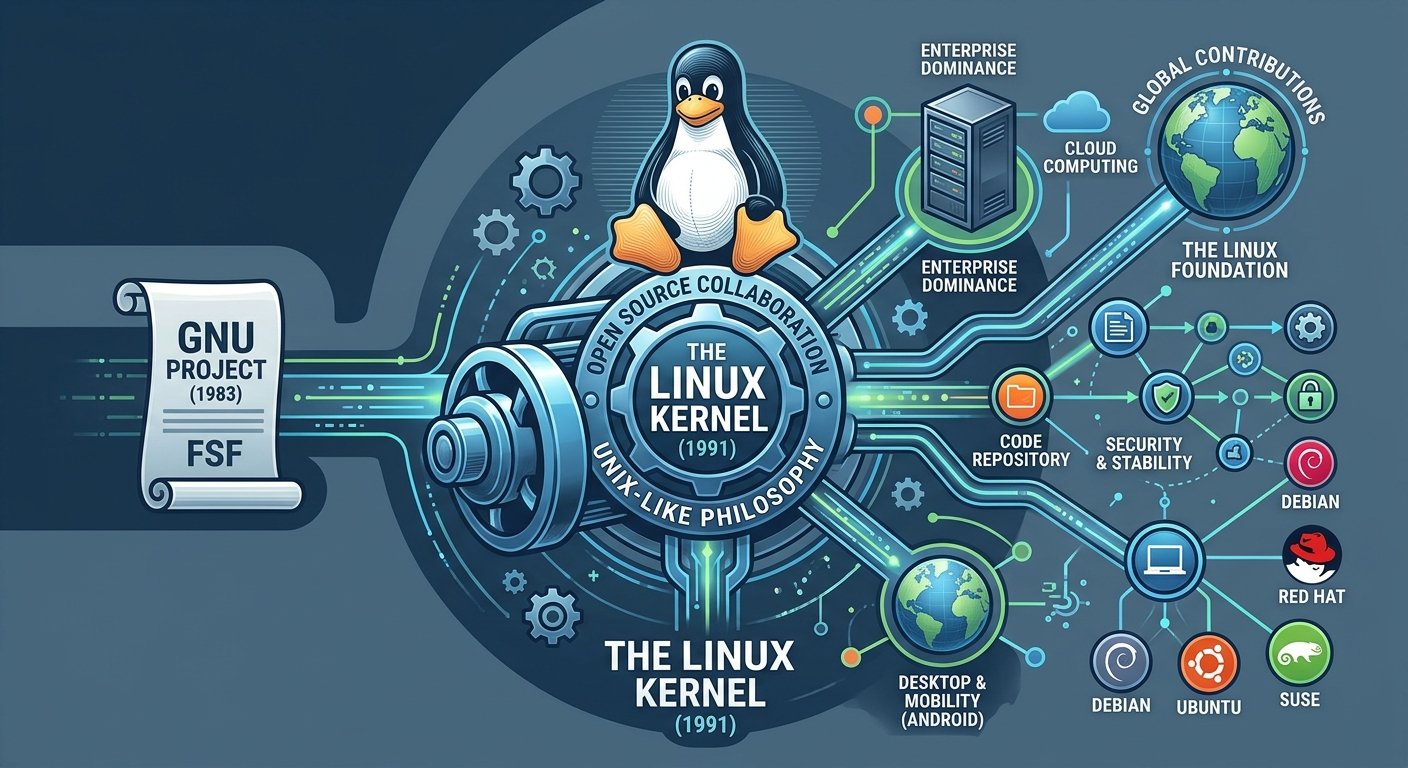
The Evolution of an Open-Source Titan: A Brief History of the Linux Operating System

Few technologies have reshaped the digital landscape as profoundly as Linux. What began in 1991 as a personal experiment by a university student has grown into the invisible engine driving the modern world. From smartphones running Android and cloud-computing infrastructure to the world’s fastest supercomputers, Linux is everywhere. Understanding its history is a journey through collaboration, philosophy, and the power of open-source software.

Continue reading “The Evolution of an Open-Source Titan: A Brief History of the Linux Operating System”