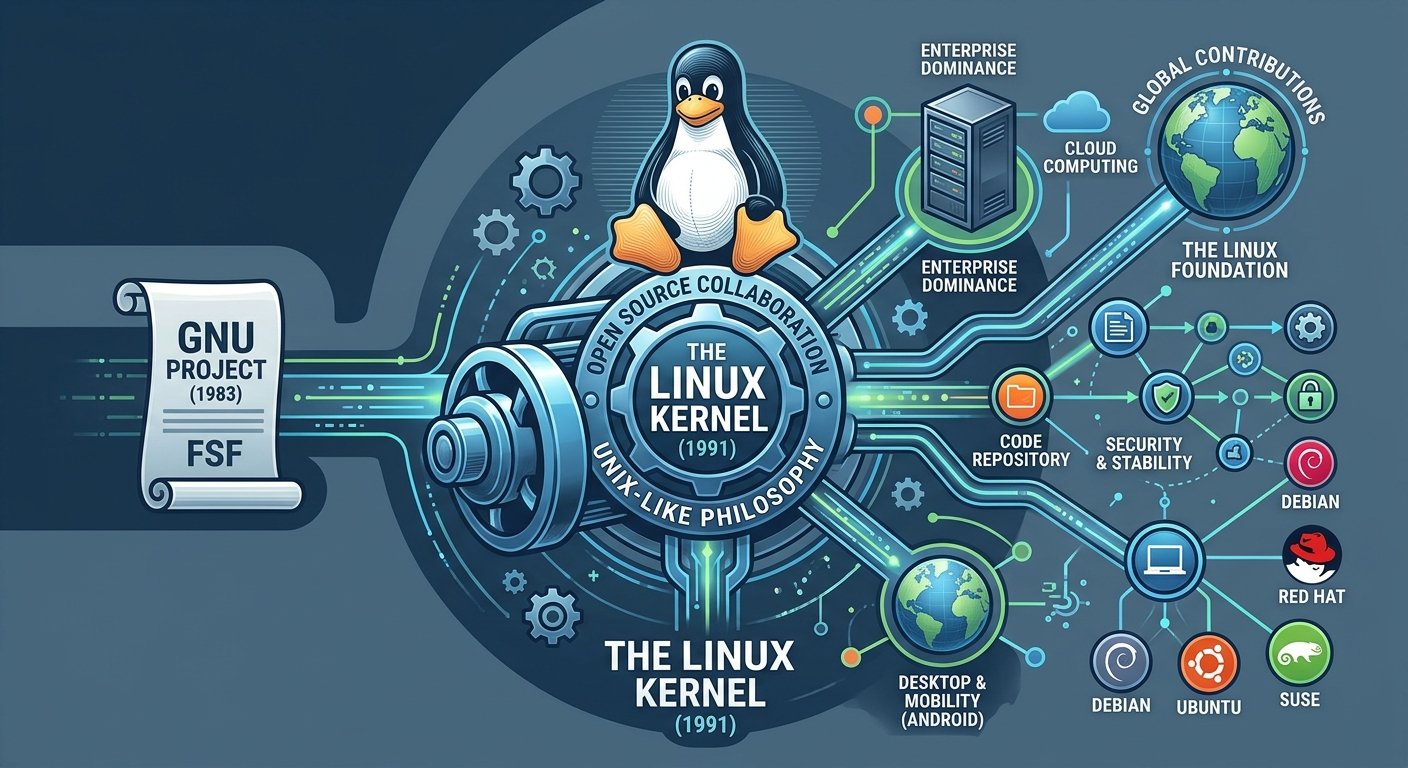
Few technologies have reshaped the digital landscape as profoundly as Linux. What began in 1991 as a personal experiment by a university student has grown into the invisible engine driving the modern world. From smartphones running Android and cloud-computing infrastructure to the world’s fastest supercomputers, Linux is everywhere. Understanding its history is a journey through collaboration, philosophy, and the power of open-source software.
Continue reading “The Evolution of an Open-Source Titan: A Brief History of the Linux Operating System”The Economical Elegance of GNOME: Why the Default Linux Desktop Wins
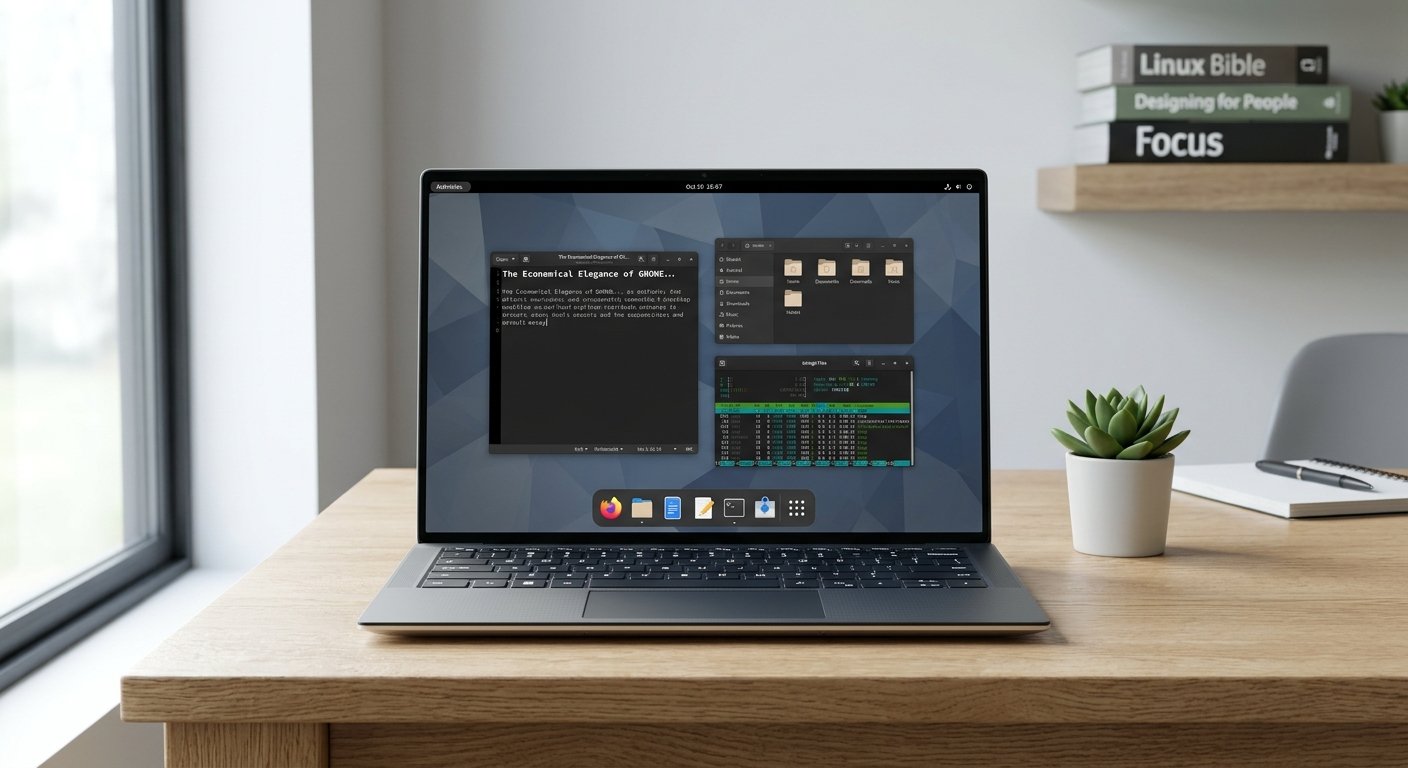
Choosing a graphical user interface (GUI) in the Linux ecosystem can often feel overwhelming, given the sheer variety of window managers and desktop environments available. However, among all options, the GNOME Desktop Environment stands out as the premier choice for modern computing. Far from being just another interface, GNOME represents a cohesive design philosophy centered around human efficiency, cognitive clarity, and ruthless minimalism.
Continue reading “The Economical Elegance of GNOME: Why the Default Linux Desktop Wins”The Case for Fedora Linux: Why It Should Be the Default Desktop Choice
In an era where personal computing is increasingly dictated by proprietary telemetry, forced software subscriptions, and heavy resource bloat, the search for a reliable, empowering desktop environment has never been more urgent. While operating systems like Microsoft Windows and Apple macOS dominate market share, they often do so at the expense of user privacy, system customizability, and computational efficiency.
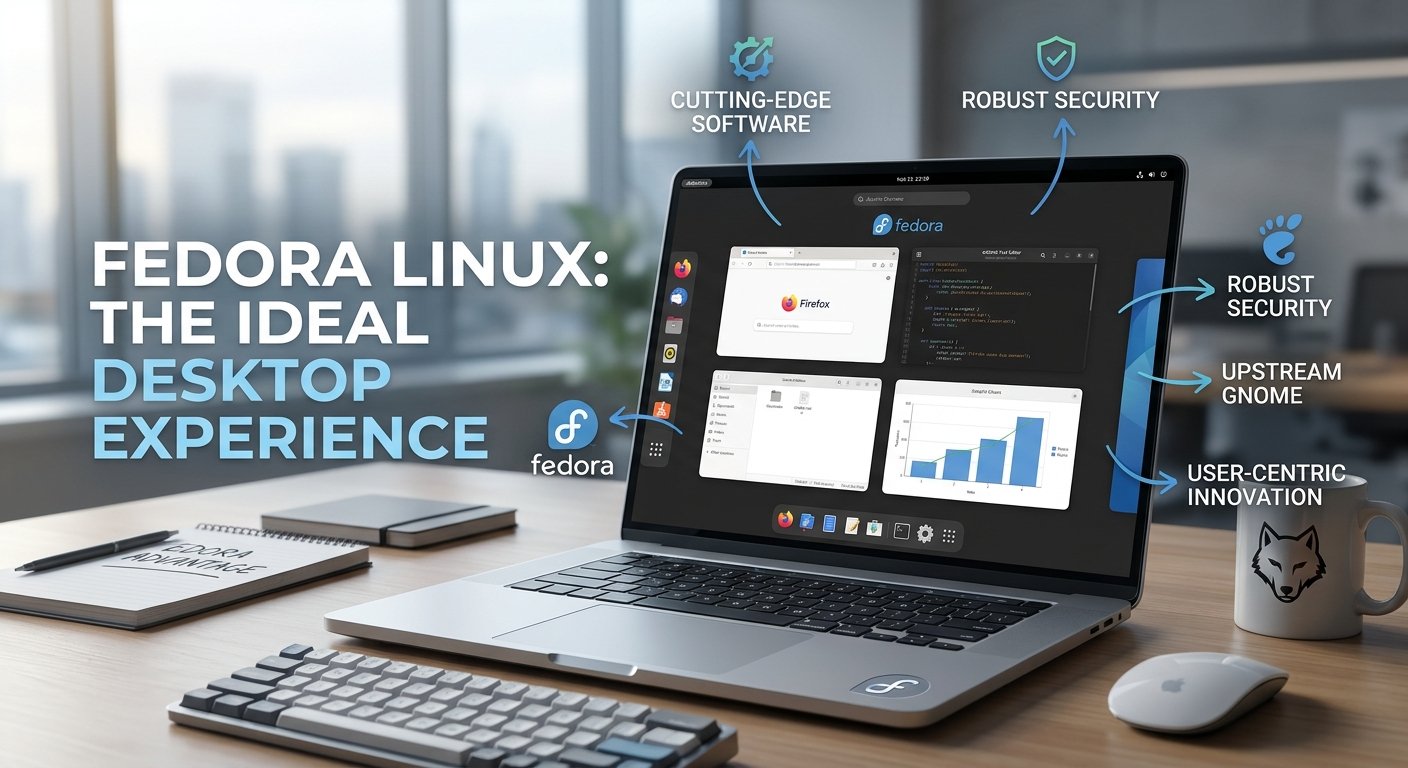
Enter Fedora Linux. Sponsored by Red Hat and driven by a passionate global community, Fedora represents the gold standard of modern desktop computing. It bridges the gap between cutting-edge innovation and rock-solid reliability, making it an exceptional daily-driver operating system that more users should adopt for their desktop experience.
Continue reading “The Case for Fedora Linux: Why It Should Be the Default Desktop Choice”