Automating the Command Line: The Essentials of Shell Scripting
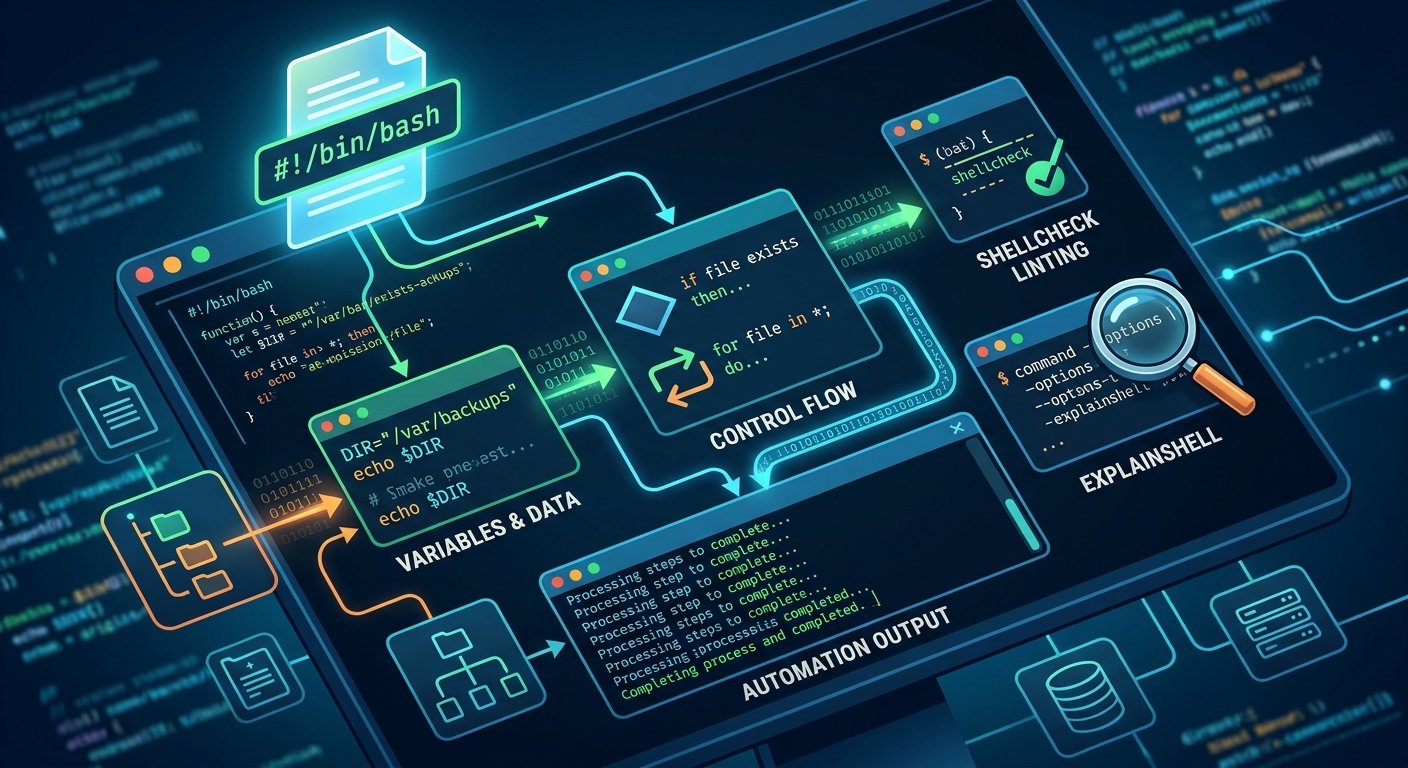
Shell scripting is an indispensable skill for anyone working in software development, DevOps, or system administration. At its core, a shell script is a text file containing a sequence of commands executed by a command-line interpreter—such as Bash or Zsh—to automate repetitive tasks, manage system files, and orchestrate complex workflows. For a comprehensive overview of how command-line environments fit into the broader Unix philosophy, you can explore Linux Journey.

Continue reading “Automating the Command Line: The Essentials of Shell Scripting”

Mastering grep: The Ultimate Text-Searching Tool in Linux

In the vast and powerful ecosystem of the Linux command line, few utilities are as universally revered, relied upon, and endlessly versatile as grep. Standing for “Global Regular Expression Print”, grep is a foundational command-line tool used for searching plain-text data sets for lines that match a specific regular expression or pattern. Whether you are a system administrator troubleshooting server logs, a developer searching through a massive codebase, or a casual user filtering text output, grep is an indispensable superpower.

To explore the formal specifications, flags, and underlying philosophy of this tool, you can check out the official GNU Grep Manual.

Continue reading “Mastering grep: The Ultimate Text-Searching Tool in Linux”

The Bourne Again Shell (Bash): The Engine of Linux Productivity

The command line is often described as the beating heart of the Unix and Linux operating systems. At the center of this interactive universe sits the Bourne Again Shell, universally known as Bash. Developed as a free software replacement for the original Bourne shell (sh), Bash has served as the default command interpreter for the vast majority of Linux distributions for decades. Its enduring dominance stems from a unique balance of rigorous POSIX compliance, powerful scripting constructs, and an intuitive interactive environment that empowers users ranging from casual hobbyists to seasoned systems administrators.

Continue reading “The Bourne Again Shell (Bash): The Engine of Linux Productivity”

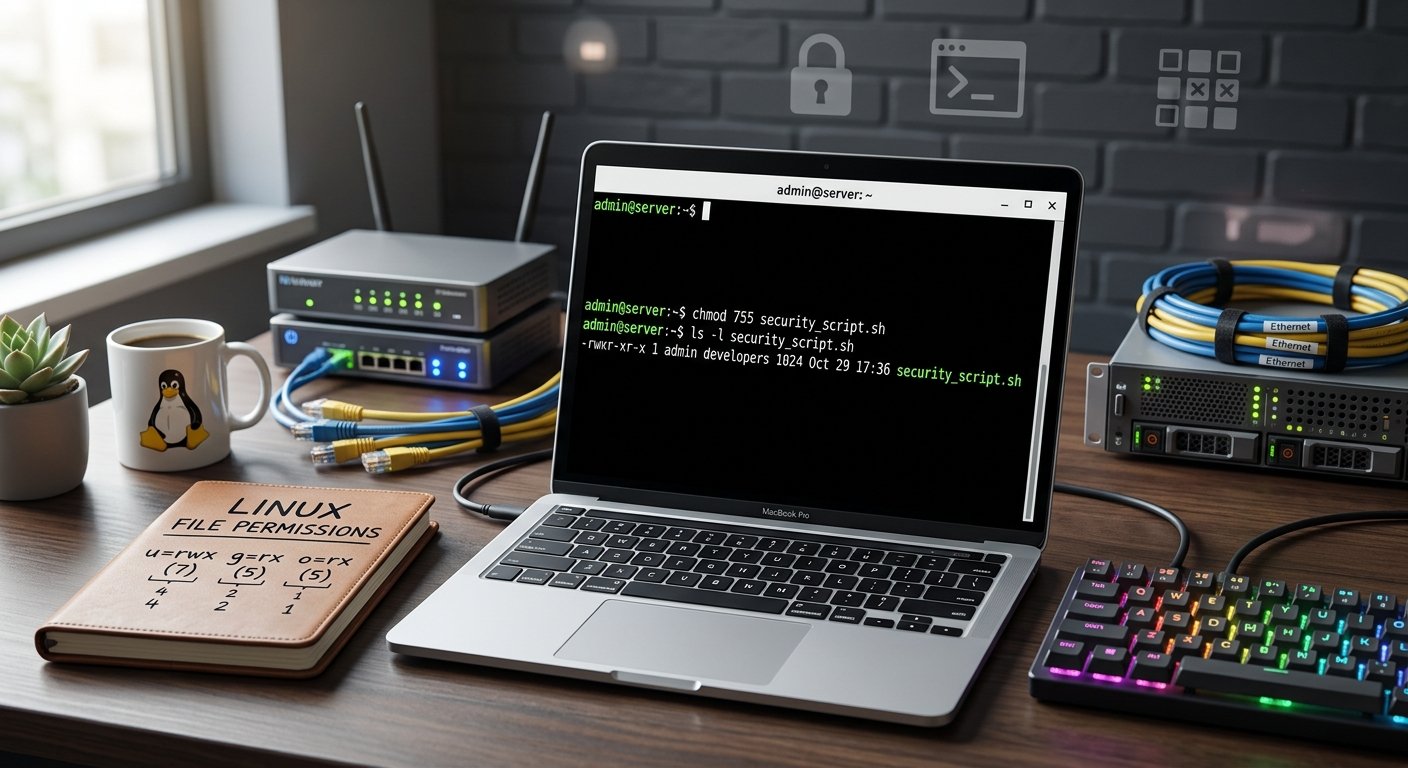
Mastering File Security: A Guide to the Linux chmod Command

In the landscape of Unix and Linux operating systems, security and multi-user access control are foundational. Every file and directory is bound to a specific owner and group, governed by strict access permissions. Managing these access rights is essential for maintaining system integrity and safeguarding sensitive data. At the heart of this privilege management system lies the chmod command, short for “change mode”. Whether you are a system administrator locking down a server or a developer making a shell script executable, understanding how to use chmod is a vital skill.

Continue reading “Mastering File Security: A Guide to the Linux chmod Command”

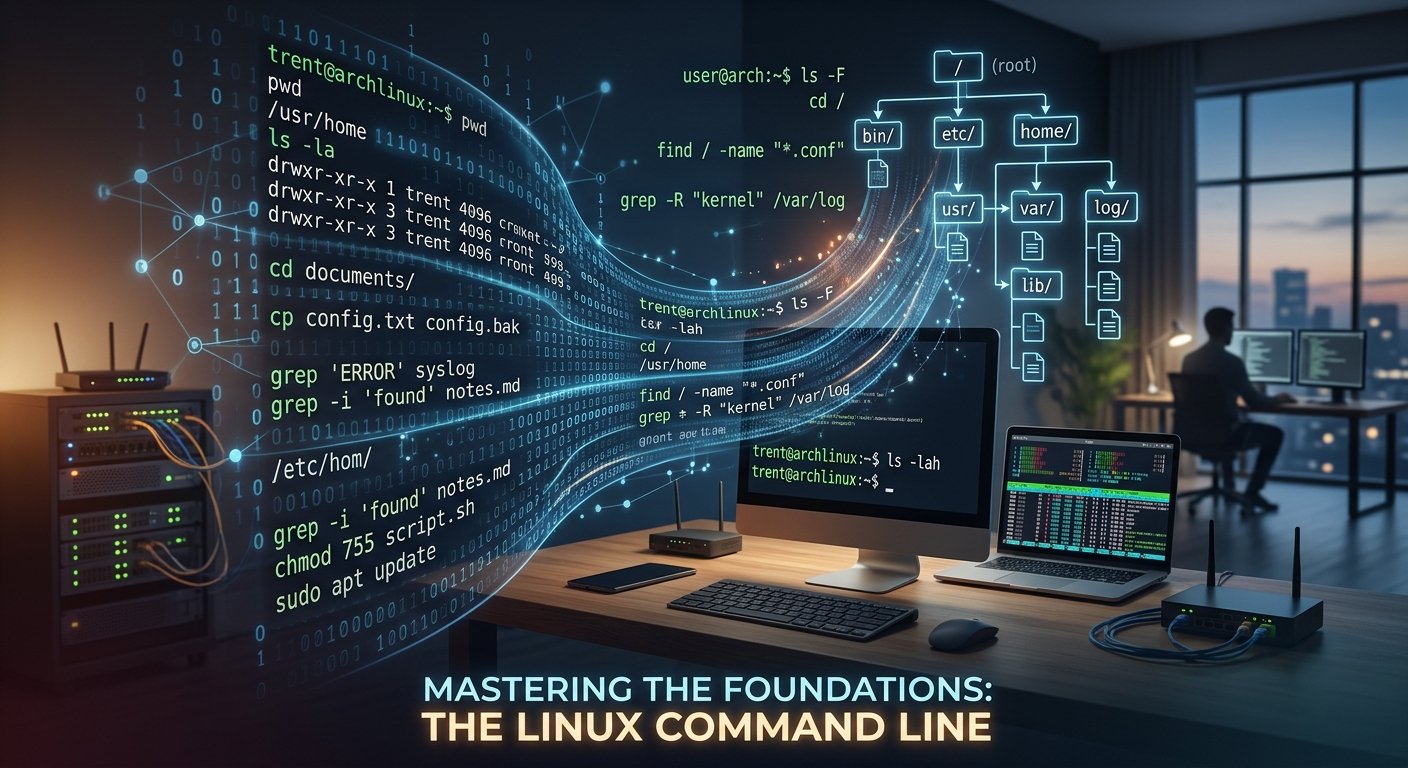
Mastering the Foundations: An Introduction to the Linux Command Line

For many users, computers are defined by graphical user interfaces—desktops populated by windows, icons, menus, and pointers. However, beneath this polished exterior lies a powerful, highly efficient engine traditionally controlled through text: the command line interface (CLI). In the realm of Unix-like operating systems, particularly Linux, the command line is not merely an alternative way to interact with the system; it is often the most direct, flexible, and powerful tool available. Understanding the basic Linux command line unlocks a deeper comprehension of how operating systems function, empowering developers, system administrators, and power users alike.

Continue reading “Mastering the Foundations: An Introduction to the Linux Command Line”